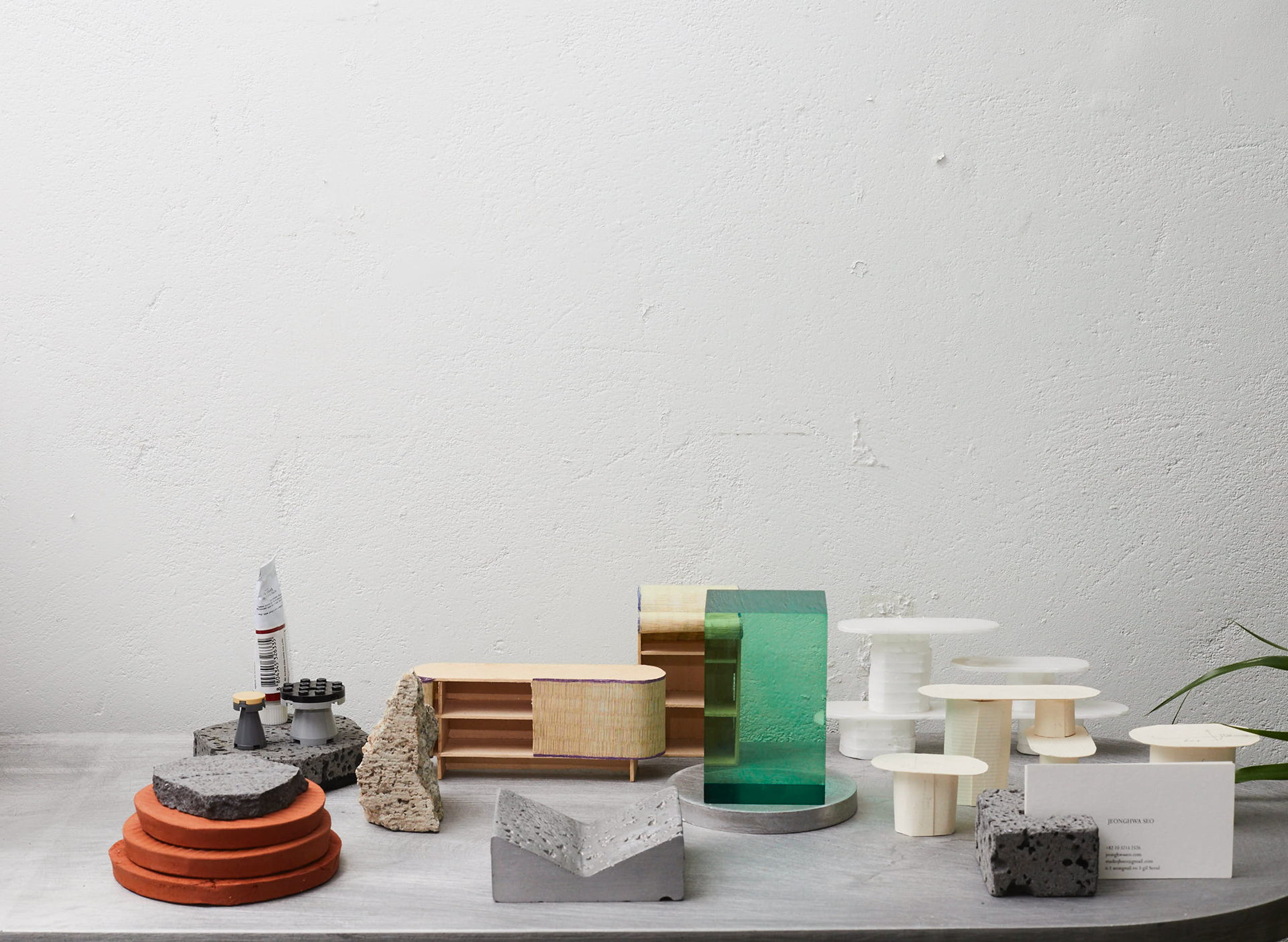
Ambiguity
Ambiguity _ 2026
Ambiguity _ 2023
cut & connected
Aluminum edition _ 2023
Cylinder series
Cylinder series_2026
Cylinder series _ 2024
Cylinder tables _ 2022
Cylinder stool _ 2021
Cylinder lightings _ 2019
Material container
Material container _ 2025
Material container _ 2024
Material container _ 2022
Project limited edition _ 2021
Material container _ 2021
Material container _ 2020 editions
Material container _ 2018 editions
Material container _ 2013 ~
structure for use
Structure for use 2025 edition
Structure for use 2022 edition
Christian Dior project _ 2022
Installation for MMCA _ 2021
Intallation for National museum _ 2021
Installation for Starfield _ 2016
Structure for use _ 2014 ~
Installations
Red wave _ 2022
SPACE
Choseon media _ 2019
Green lab _ 2019
Etcetra _ 2018
Furniture
Material composition
Usage of nature _ 2018~2025
Onggi series _ 2024
Viewpoint _ 2024
Density of rush _2023
Space in space _ 2022
Blue bottle bar stool _ 2022
Mooring post stool _ 2022
Low seat sofa _ 2022
Seoul bench _ 2021
Hangeul series _2019
Euljiro stool _ 2019
Rush storage _ 2019
Volume _ 2019
Structure exercise _ 2017
Primitive physics _ 2017
Aged blocks _ 2016
Rush stool _ 2015
Ripple effect _ 2010
OBJECTS
Grid bag for KUHO _ 2025
Ambiguity vase _ 2024
Space in space; vase _ 2022
Pentray for DDP _ 2018
Coaster for Laiflo _ 2018
Mirror _ 2018
candle holder _ 2017
Green lighting _ 2015
Basalt _ stationary _ 2015
Vietnam project _ 2015
fabric structure
Blossoms on bottle _ 2015
Planter _ 2014
Obstruction _ 2008
Void tea set _ 2008
Installation of works
Publication
CV
CONTACT
Ambiguity
Ambiguity _ 2026
Ambiguity _ 2023
cut & connected
Aluminum edition _ 2023
Cylinder series
Cylinder series_2026
Cylinder series _ 2024
Cylinder tables _ 2022
Cylinder stool _ 2021
Cylinder lightings _ 2019
Material container
Material container _ 2025
Material container _ 2024
Material container _ 2022
Project limited edition _ 2021
Material container _ 2021
Material container _ 2020 editions
Material container _ 2018 editions
Material container _ 2013 ~
structure for use
Structure for use 2025 edition
Structure for use 2022 edition
Christian Dior project _ 2022
Installation for MMCA _ 2021
Intallation for National museum _ 2021
Installation for Starfield _ 2016
Structure for use _ 2014 ~
Installations
Red wave _ 2022
SPACE
Choseon media _ 2019
Green lab _ 2019
Etcetra _ 2018
Furniture
Material composition
Usage of nature _ 2018~2025
Onggi series _ 2024
Viewpoint _ 2024
Density of rush _2023
Space in space _ 2022
Blue bottle bar stool _ 2022
Mooring post stool _ 2022
Low seat sofa _ 2022
Seoul bench _ 2021
Hangeul series _2019
Euljiro stool _ 2019
Rush storage _ 2019
Volume _ 2019
Structure exercise _ 2017
Primitive physics _ 2017
Aged blocks _ 2016
Rush stool _ 2015
Ripple effect _ 2010
OBJECTS
Grid bag for KUHO _ 2025
Ambiguity vase _ 2024
Space in space; vase _ 2022
Pentray for DDP _ 2018
Coaster for Laiflo _ 2018
Mirror _ 2018
candle holder _ 2017
Green lighting _ 2015
Basalt _ stationary _ 2015
Vietnam project _ 2015
fabric structure
Blossoms on bottle _ 2015
Planter _ 2014
Obstruction _ 2008
Void tea set _ 2008
Installation of works
Publication
CV
CONTACT
Jeonghwa Seo
↑
Top